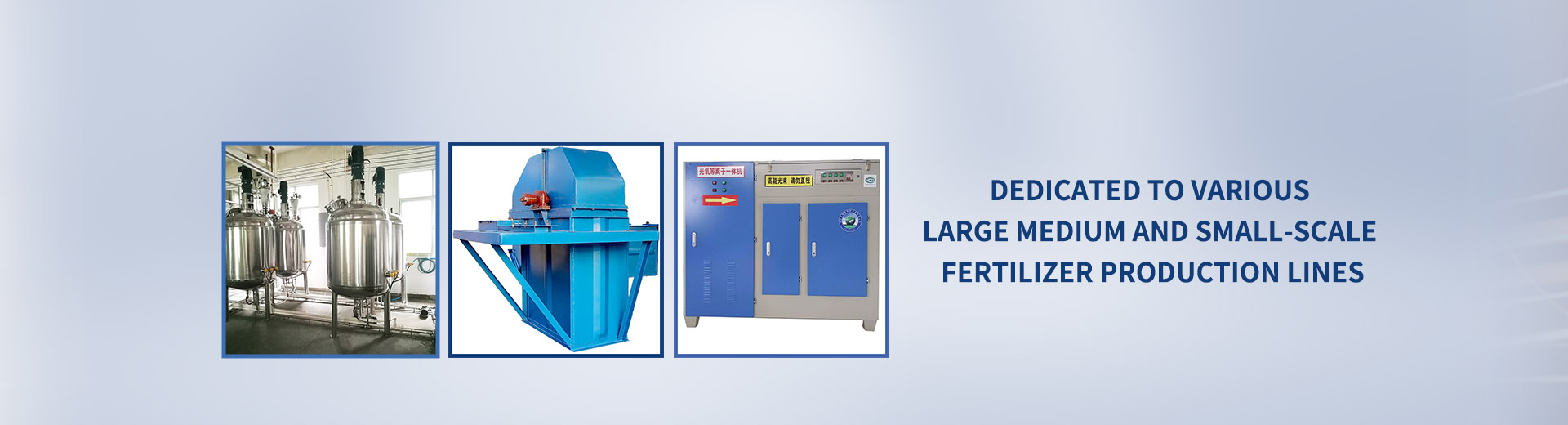
In the current agricultural production field, the mixed fertilizer production line is becoming the focus of industry attention with its unique advantages. It closely meets the needs of agricultural development and brings significant changes to fertilizer production.
For fertilizer production enterprises, cost control is key. In the past, purchasing various finished fertilizers had high costs. With a mixed fertilizer production line, enterprises can directly purchase basic fertilizer raw materials and mix them according to the formula. This not only reduces the cost of raw material procurement, but also reduces the cost of intermediate links. Moreover, on-demand production effectively avoids fertilizer accumulation and waste, reduces production costs, and enhances the economic benefits of enterprises.
From an operational perspective, the operation of the mixed fertilizer production line is not difficult. After simple training, the staff can master each link. The equipment has clear indication markings, and the amount of raw materials, mixing time, and speed are clear at a glance. By following the process in daily operations, the stable operation of the production line can be ensured. Of course, regular maintenance is indispensable. Regularly check for blockages in the conveying pipeline and wear on the blades of the mixing device, promptly address any issues, and ensure that the production line operates without any malfunctions.
In the market, with the increasing awareness of scientific fertilization among growers, the demand for fertilizers that meet crop needs has greatly increased, and blended fertilizers are in line with this trend. The customized fertilizer products produced by the mixed fertilizer production line can meet the needs of different regions and crops, helping fertilizer enterprises to explore broader markets and stand out in competition.
In short, the mixed fertilizer production line plays an increasingly prominent role in agricultural fertilizer production due to its characteristics of meeting diverse demands, controlling costs, convenient operation, and good market adaptability, which strongly supports sustainable agricultural development.
RSS | Website Map | XML

Copyright©2025 Hongfazhongji.com Tai an Zhonglan Xuye Environmental Protection Technology Co., Ltd All Rights Reserved
Support:FEIXUN.CC
